
Hotelex at The Hotel Show Dubai 2025



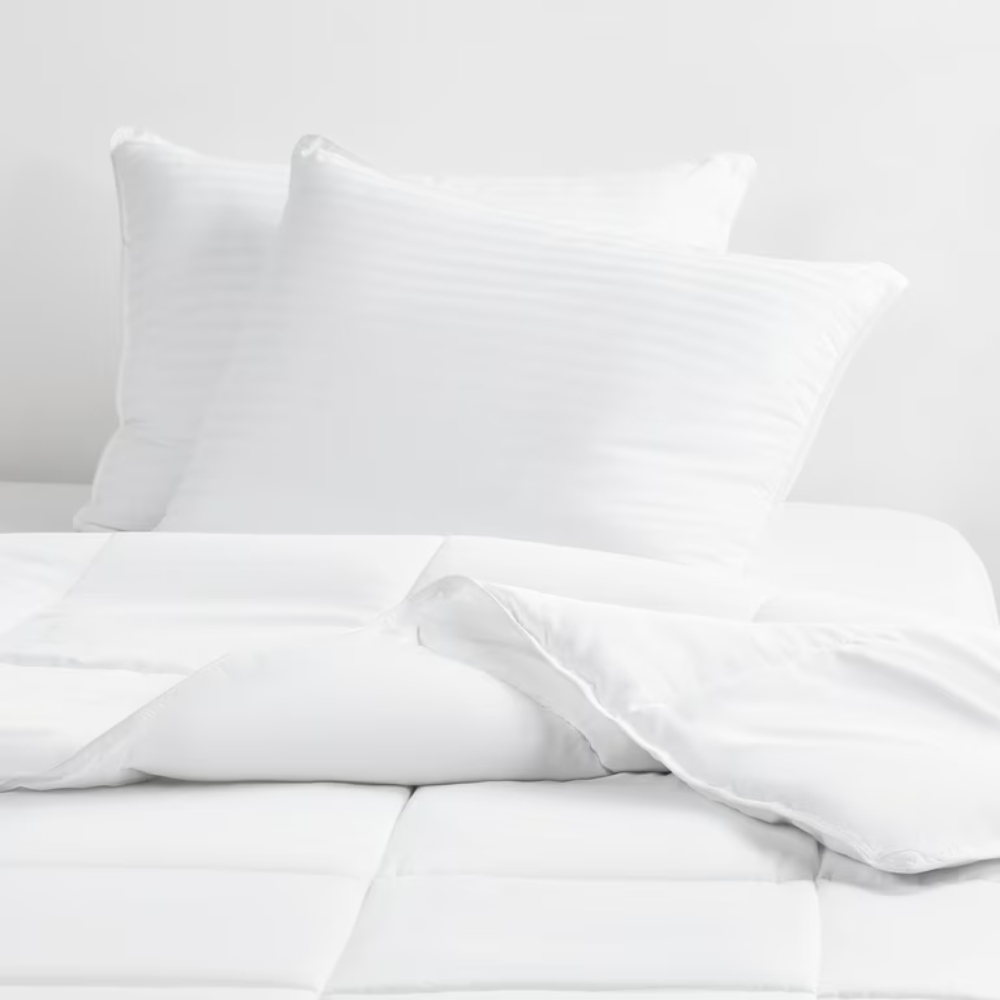
Pillows play a crucial role in ensuring comfort and quality sleep. The type of fiber used in a pillow significantly influences its feel, durability, and support. Here, we explore the most commonly used fibers in pillows, highlighting their unique characteristics and benefits.
Polyester is one of the most widely used synthetic fibers in pillow manufacturing. It is affordable, lightweight, and hypoallergenic, making it a popular choice for budget-conscious consumers. Polyester-filled pillows are soft and provide moderate support, though they may lack durability compared to natural fibers. These pillows are easy to maintain and machine washable, making them a practical option for everyday use.
Memory foam, a viscoelastic polyurethane material, is a game-changer in the bedding industry. While not technically a fiber, its adaptability and support have made it a favorite for ergonomic pillows. Memory foam conforms to the shape of the head and neck, providing excellent support and reducing pressure points. However, it retains heat and may not suit hot sleepers.
Down and feather pillows are crafted from the soft undercoating of ducks or geese. These natural fibers offer unparalleled softness and a luxurious feel. Down provides superior insulation and is lightweight, while feathers add firmness. However, down pillows can trigger allergies in some individuals and often come at a higher price point.
Cotton is a natural fiber known for its breathability and softness. It is hypoallergenic and suitable for people with sensitive skin. Cotton-filled pillows are durable and provide gentle support, although they may compress over time. These pillows are an eco-friendly choice and easy to clean.
Wool-filled pillows are ideal for those seeking natural temperature regulation. Wool is moisture-wicking, making it suitable for both hot and cold climates. It is also hypoallergenic and resistant to dust mites. While wool pillows offer good support and longevity, they can be firmer than other options.
Kapok is a natural fiber derived from the seed pods of the kapok tree. It is lightweight, silky, and eco-friendly. Kapok-filled pillows are soft and provide gentle support, but they may not be as durable as synthetic alternatives.
Natural latex, derived from rubber trees, is a resilient and supportive material. Latex pillows are firm, durable, and resistant to dust mites and mold. They are excellent for those needing extra neck support but may feel too firm for some sleepers.
The choice of fiber in a pillow depends on personal preferences, sleeping habits, and specific needs such as allergies or neck support. From synthetic options like polyester and memory foam to natural alternatives like down, cotton, and latex, there is a fiber for everyone. Understanding the benefits of each type can help you find the perfect pillow for a restful night’s sleep.
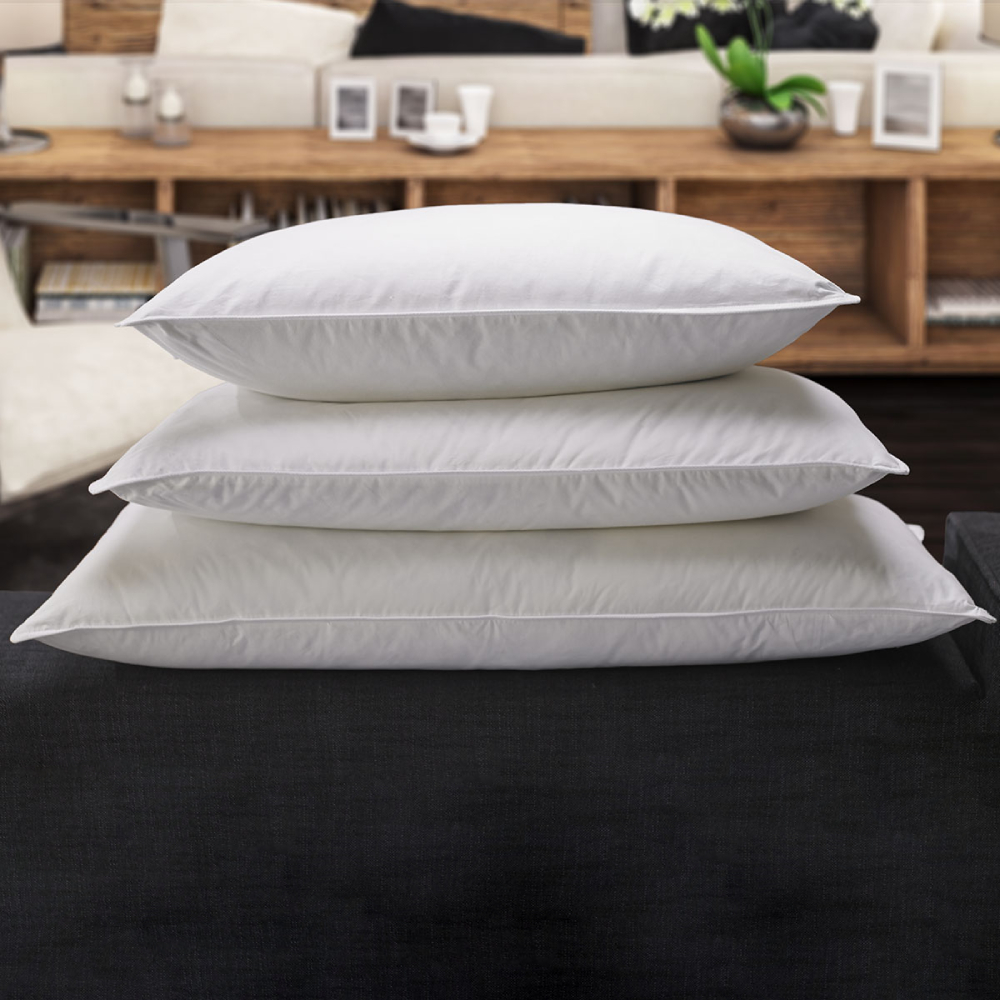
A good night’s sleep largely depends on the right pillow, yet many overlook the importance of choosing the correct pillow weight and height. These factors directly impact spinal alignment, comfort, and overall sleep quality. Here’s a comprehensive guide to help you make the best choice.
The weight and height of a pillow determine how well it supports your head, neck, and shoulders. A pillow that is too high or low can misalign your spine, causing discomfort or pain. Similarly, a pillow that is too heavy or light may not adapt well to your sleeping position, leading to restlessness.
The material of the pillow also impacts its height and weight. For example:
When buying a pillow, try it out for a few nights. Adjust the height if necessary, especially if the pillow has an adjustable fill. Your head should remain aligned with your spine, and you should feel no tension in your neck or shoulders.
The perfect pillow is a combination of the right height, weight, and material tailored to your sleep habits. Investing time in selecting the correct pillow will improve your sleep quality and prevent long-term issues like neck pain or headaches. Sleep comfortably by making an informed choice!

Pillow Lifespan: Understanding When It’s Time for a Change
A pillow is more than just a bedtime accessory—it plays a crucial role in ensuring a good night’s sleep and maintaining spinal alignment. However, like most household items, pillows have a limited lifespan. Understanding when to replace your pillow can significantly impact your comfort, hygiene, and overall health.
On average, pillows should be replaced every 1 to 2 years, depending on their material and usage. Feather and down pillows tend to last up to two years with proper care, while synthetic and polyester pillows might only last about a year. Memory foam pillows are more durable, often maintaining their shape and support for up to three years. Regular use, sleeping habits, and how well the pillow is maintained can also affect its longevity.
Over time, pillows accumulate dust mites, sweat, oils, and dead skin cells, which can lead to hygiene issues and trigger allergies. This buildup not only impacts cleanliness but can also cause the pillow to lose its supportive properties, leading to discomfort and improper neck alignment. A saggy or lumpy pillow often fails to provide adequate support, potentially resulting in stiffness or chronic neck pain.
To determine whether your pillow needs replacing, look for these signs:
Proper care can help extend your pillow’s life. Use a pillow protector to shield it from dust and moisture, and wash your pillowcase regularly. Depending on the material, some pillows can be washed to remove allergens and bacteria—be sure to follow the manufacturer’s instructions. Fluffing your pillow daily also helps maintain its shape and softness.
Though it’s easy to overlook, replacing your pillow regularly is essential for good sleep hygiene and spinal health. By understanding the lifespan of different pillow types and watching for signs of wear, you can ensure a healthier and more restful sleep experience. Investing in high-quality pillows and maintaining them properly is a small yet significant step toward improving your overall well-being.